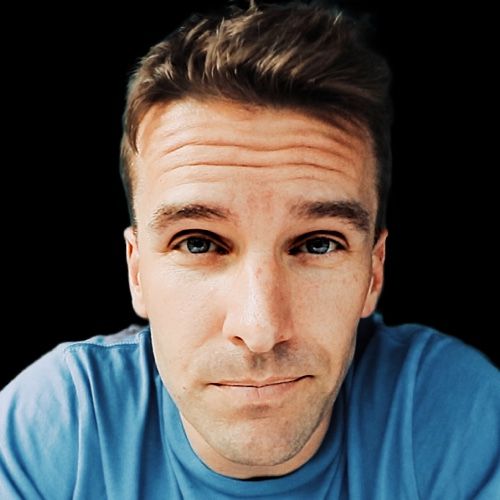
Hamilton's Washington Revealed: History & Travel with Chris Jackson
Try the "History or Drive" history travel app
After seeing Chris Jackson at the Gettysburg Film Festival, we're revisiting our conversation about the real George Washington—the man behind Hamilton's icon.
Chris shares what historians often miss, how theater shapes our view of history, and why Washington sites should be on your historic road trip bucket list.
Perfect for planning your next colonial Virginia or DC pilgrimage.
🎥 Video version of this podcast
00:00 Welcome
00:53 Gettysburg Festival Recap
02:43 Why Revisit Chris Jackson
06:17 Introducing the 100th Episode Guest
07:47 Fort Necessity Connection
10:41 Cast as George Washington
13:20 Humanizing the Founders
16:39 Learning History in Illinois
18:58 Family Roots and Civil Rights
22:15 Ancestry and Great Migration
26:04 Researching Washington Deeply
29:22 Mount Vernon and Valley Forge Visits
31:39 Valley Forge Close Quarters
32:01 Rangers Bring History Alive
32:27 Planning Fort Necessity Trip
32:58 Childhood Wake Up Moments
34:25 Challenger Disaster Memories
35:50 Washington Slavery Truths
38:54 Mount Vernon New Awareness
40:31 Art Provokes Hard Questions
44:39 Learning Names Behind Legends
50:39 Hidden History In Hometowns
53:55 Projects And What Next
55:34 Listener Takeaways And Wrap
-------------------------------------------------------
🗺️ Want to visit the places we talked about? We've mapped them all (and more) in History or Drive. 🗺️
🚗 Download our History or Drive travel app
Turn your next road trip into an American history adventure.
Discover hidden local history, epic historic sites, battlefields, and maps with easy, one-click driving directions — history and travel right in the palm of your hand!
-------------------------------------------------------
🎙️ Talk with History is the #1 Road Trip podcast for History Travelers!
⭐ Enjoying the journey? Leave us a quick review on Apple Podcasts or Spotify to help other history and travel lovers find the show!
-------------------------------------------------------
Transcript
Foreign.
Speaker B:Welcome to Talk with History.
Speaker C:Welcome to Talk with History.
Speaker C:I'm your host, Scott, here with my wife and historian Jen.
Speaker B:Hello.
Speaker C:On this podcast, we give you insights to our history Inspired World Travels YouTube channel Journey and examine history through deeper conversations with the curious, the explorers and the history lovers out there.
Speaker C:Now.
Speaker C:This week, folks, if you've been listening to the podcast for a while, you may recognize our title of this episode.
Speaker C:And if you haven't, if you're new, if you're just coming upon us, we interviewed Chris Jackson for our 100th episode about two years ago now.
Speaker C:Why are we bringing this up?
Speaker C:Well, we just got back from a whirlwind trip, the Gettysburg Film Festival.
Speaker C:So we're going to talk more about that next week.
Speaker C:In next week episodes, we'll give you the whole breakdown.
Speaker C:All the special guests we got to interview, it was just, it was exhausting but incredibly fulfilling for two history folks like us.
Speaker D:You can tell Scott is a little exhausted right now.
Speaker C:I'm spent.
Speaker D:So the Gettysburg Film Festival focused on the American Revolution.
Speaker D:And because they focused on the American Revolution, they brought in Chris Jackson, the original George Washington from the cast of Hamilton, that, that musical that was absolutely groundbreaking about the forefathers of America.
Speaker D:And Chris Jackson came and other original.
Speaker B:Cast members were there.
Speaker D:They also had some people from the miniseries turn about George Washington's Spies and the Culper Spy Ring.
Speaker C:On one of the nights, one of the panels, we got to go watch Chris Jackson talk about George Washington and him and his, his role while he was with Ken Burns, who just obviously came out with the American Revolution documentary series, and Rick and Atkinson, who is a pretty well known author.
Speaker C:In fact, we mentioned it to my mom on the phone and she's like, I think I have one of his books.
Speaker B:Yeah, he writes about George Washington and other wartime generals.
Speaker B:Chris was between these two men and they were basically talking about George Washington's.
Speaker D:Representation in film, in theater, and in authorship.
Speaker B:And I think Chris felt like he couldn't really contribute as much as he wanted to.
Speaker C:Yeah, he joked a couple times.
Speaker C:He says, hi, I'm Chris.
Speaker C:I'm an actor.
Speaker C:Right.
Speaker C:And they made the audience laugh because he's sitting between Ken Burns, who is like, you know, won an Oscar, Mr. History, like Voice of America for the past 40 years, and Rick Atkinson, who's actually very, very well known in history circles and written a lot.
Speaker C:Very, very knowledgeable, you know, really one of the authorities on kind of George Washington.
Speaker B:And so we felt it's good to revisit this podcast because Chris really does.
Speaker D:Go into what he did and what he studied and how he connected to the character and.
Speaker D:And he didn't really get to have that kind of time on the panel because he.
Speaker B:I.
Speaker D:There were two other thought leaders there that he really wanted to let talk about George Washington.
Speaker C:And to be fair, Chris held his own.
Speaker C:He did a great job talking about kind of his experience, and he tied it to what he did.
Speaker C:However, when Jen and I re listened to our interview with him from a couple years ago on our way back from the Gettysburg Film Festival, we were like, first off, like, high five to us, because I think we ask some pretty good questions.
Speaker C:So future Scott is giving a high five to past Jen and past Scott for asking good questions.
Speaker C:But we get into some of the personal history on what inspired Chris from his youth with his family history, and how history was important to him from such a young age, and how that came about.
Speaker C:And that was so interesting in the greater context of post Gettysburg Film Festival.
Speaker C:And so our podcast with him is.
Speaker C:I look back on it, and it's actually a great interview because you really get some insight into what made him tick and what made.
Speaker C:Inspired him and kind of brought him into this role of George Washington in Hamilton.
Speaker B:And we saw so many people came there to see Chris Jackson, to see him.
Speaker B:He performed a little bit as George Washington.
Speaker B:He spoke about him.
Speaker B:But we felt like this would be.
Speaker D:A really great podcast for people to listen to, to hear more about how he developed this character and how he thinks about George Washington.
Speaker D:He actually said in the panel, George Washington is the only adult.
Speaker D:When you think of all these young.
Speaker B:Men running the revolution.
Speaker C:Hamilton.
Speaker B:Yeah.
Speaker D:And so.
Speaker D:And how George Washington is thinking about his career and how he's acting, and he's always interacting with Hamilton.
Speaker D:So Chris goes more into the character himself as George Washington.
Speaker D:But at towards the end of the podcast, please listen all the way through, because what I think is the most poignant part and what I really recognized at this festival was how much people personally connect with history and how much people were personally connecting with the musical Hamilton and how they felt this connection to what it means for them and how they see their story of America played out in front of them.
Speaker D:And Chris talks about that in the end, how we need to take a personal account to these battlefields and these locations of history.
Speaker D:We need to visit them.
Speaker D:We need to help preserve them for the next generation.
Speaker D:He's very, very poignant about that.
Speaker D:And so if you listen all the way through to the end, I think it's just really good with the work we do with American battle for Trust and with Gettysburg and what we do specifically with walk with history and talk with History.
Speaker D:In taking you to these locations to personally connect with the past, he really talks about that.
Speaker D:So please, we listen.
Speaker D:Listen to how Chris personally connected to George Washington and brought that character to life in the Broadway show Hamilton.
Speaker C:Yeah.
Speaker C:So I hope you guys enjoy our conversation with Chris Jackson.
Speaker A:And then the second part of your question.
Speaker A:No, I had never given any thought ever to portraying George Washington.
Speaker A:I had seen probably the.
Speaker A:The few movies were made for TV movies that they had.
Speaker A:Foreign.
Speaker E:Welcome to Talk with History.
Speaker E:I'm your host, Scott, here with my wife and historian Jen.
Speaker B:Hello.
Speaker E:On this podcast, we give you insights to our history Inspired World Travels YouTube channel Journey and examine history through deeper conversations with the curious, the explorers and the history lovers out there.
Speaker E:Now, Jen, this is our hundredth episode.
Speaker E:We've been doing this for a couple years now and we have a very special guest, John, joining us today.
Speaker E:So we really have a guest who needs no introduction, but I'm going to give him one anyways.
Speaker E:He originated the iconic role of George Washington in the groundbreaking musical phenomenon Hamilton.
Speaker E:His powerful vocals and nuanced performance captivated audiences worldwide.
Speaker E:And his portrayal of the first president sparked important conversations about history.
Speaker E:From there, he only picked up steam, continuing on his career on the silver screen in television and making his career very, very short.
Speaker E:But most importantly, the most important thing about our guest is he has a passion for history.
Speaker E:So welcome Mr. Christopher Jackson.
Speaker E:Thank you so much for joining us on Talk with History tonight.
Speaker A:Thank you for having me.
Speaker A:Happy 100.
Speaker E:Yes.
Speaker E:Thank you so much.
Speaker A:What a milestone.
Speaker E:This is a great milestone for us, especially kind of bootstrapping a podcast in our living room whenever we can.
Speaker E:So thank you so much for joining us and we're really happy to have you.
Speaker E:Just so people know kind of how we got connected with, with you, we'll kind of tell our audience, hey, how the heck did you guys get connected with.
Speaker E:With Christopher Jackson?
Speaker B:Yeah, it was honestly, Chris, it was amazing experience for me.
Speaker B:I am even wearing my history has its eyes on you T shirt.
Speaker B:I was driving back from a friend's house in Uniontown, Pennsylvania, and I was driving past Fort Necessity, which if you know the song history has its eyes on you.
Speaker B:George Washington is talking.
Speaker B:I'm.
Speaker B:I'm younger than you are now, giving my first command.
Speaker B:So I stopped there and I just did those lines real quick and I talked about what George Washington is talking about learning in that moment and how Lucky he is to learn because he didn't get killed and he didn't lose his command.
Speaker A:Right.
Speaker B:Which were two things that probably should have happened.
Speaker B:And, and so he, he's talking about how lucky he got in that moment and how he's trying to teach that to Hamilton, that you don't always get to learn from your mistakes, but if you do, like really bring it, take it on and change people's lives for the.
Speaker B:What you learn.
Speaker B:And you had reached out, you saw that reel and you said you never got a chance to visit before you took the role, but that you.
Speaker B:And then you said you were a fan of mine and I almost lost my mind.
Speaker A:I mean you guys.
Speaker A:I mean it's so.
Speaker A:I grew up in southern Illinois.
Speaker A:So being.
Speaker A:Let's.
Speaker A:I grew up in.
Speaker A:I was born in Metropolis, Illinois, side of Fort Massac.
Speaker A:So when I was, when I was young they had, they had two pair of buffalo, like actual buffalo that they had in a small pen that you could drive down and just park and watch the buffalo so of graze in a, in a, in a paddock if you could call it.
Speaker A:That was so small but Fort Massac and in.
Speaker A:And then later I moved to Cairo, which, which is at the southernmost point of Illinois.
Speaker A:So there's a lot of history baked into, into that area, especially around the Civil War.
Speaker A:And so for, for me, it was just always so intriguing to know that General Grant stayed at Magnolia Manor and the cupola because there was no other tall buildings.
Speaker A:He could see the confluence of the rivers and blah blah.
Speaker A:Like it was just always.
Speaker B:That's.
Speaker A:That's where I learned I got into the arts because I think of my interest in passion for history.
Speaker A:It was just always so.
Speaker A:The humanity of it was always the most intriguing.
Speaker B:Oh, of course.
Speaker A:And so, so watching you walk through Fort Necessity and it looked very much like a Fort NASA or Fort Defiance, like all of these sort of.
Speaker A:You could still see the, the dirt from the readouts.
Speaker A:But it was, it was nice to know.
Speaker A:It was really cool to know that real people built those things and 100 and some odd years later they're still here.
Speaker A:And they were significant and why were they significant?
Speaker A:And then you dig and then it's, it's.
Speaker A:You walk through just like what you're doing.
Speaker A:And I think that's fascinating.
Speaker B:Yeah, that was like.
Speaker B:That's the whole importance of the channel is to take you to the location, like walk you through history.
Speaker B:Like I wanted you to see what it was like and to stand in the footsteps of those history Makers like, what were they seeing?
Speaker B:What were they thinking?
Speaker A:So important.
Speaker B:So when you were first approached to play George Washington, what was your reaction?
Speaker B:What did you know about him and how did you feel about portraying that person in history?
Speaker A: want to say somewhere like in: Speaker A:Excuse me, we were still doing in the Heights on Broadway.
Speaker A:And so the first, I told the story the first time I heard anything about it.
Speaker A:Lynn had come back from vacation and he had talked to Tommy and, and he bought this biography which there's a picture of him in a hammock or on a floaty in a pool somewhere in the Caribbean where he was reading this book and he was really intrigued.
Speaker A:And when we started Heights, Tommy and Lynn and I, we were all reading Team of Rivals at the same time.
Speaker A:It's just sort of.
Speaker A:Tommy was like, read this.
Speaker A:And I was like, oh yeah.
Speaker A:And it was of course a page turner for those of you that have read it.
Speaker A:And it was fantastic.
Speaker A:And we all just, we love a good read.
Speaker A:We're always intrigued.
Speaker A:But the fact that he found this idea for a show, he, we were actually on stage in performance when he told me about it.
Speaker A:Like it was in the middle of the show in the first act of in the Heights.
Speaker A:Well, so inside of Broadway, right, you, you have moments when you're upstage and there's at that time, there's a number that's going on in front of us, but we're sort of like in character, but we're up in kind of in the dark.
Speaker A:And that's when we would catch up on the day or whatever, tell a joke, whatever.
Speaker A:But we had, we had three and a half minutes to just talk and it, it built into the show.
Speaker A:Nobody knew what we were talking about.
Speaker A:And famous.
Speaker A:The sort of, the notable thing is he looks at me right before we're about to go out into the like the big first act number and he's.
Speaker A:I think I got my next thing.
Speaker A:And I'm like, what?
Speaker A:Yeah, it's something about the Treasury Seg.
Speaker A:It's a hip hop concept album about the Treasury Secretary.
Speaker A:And then off we went.
Speaker A:I mean, it was literally that quick.
Speaker A:I didn't think anything of it.
Speaker A:I don't know how much time passed between that moment and the next conversation we had about it.
Speaker A:But at some point, Tommy Kail approaches me.
Speaker A:I'm on stage doing my warm up before the show and he's coming across the stage, Tommy Kale, our director, and he Said, hey, what's up, G Dubs?
Speaker A:And I'm like, what?
Speaker E:He just threw it out there?
Speaker E:What?
Speaker A:What?
Speaker A:Well, yeah, yeah.
Speaker A:I mean, they had the idea.
Speaker A:These are my best friends.
Speaker E:Like, so.
Speaker A:So the shorthand.
Speaker A:The shorthand is real.
Speaker A:But he was like, hey, I didn't audition for it.
Speaker A:That was the.
Speaker A:The purpose was to have me do the role.
Speaker A:So that's the first time that I kind of, like, it started to cook for me.
Speaker A:And then the second part of your question.
Speaker A:No, I had never given any thought ever to portraying George Washington.
Speaker A:I had seen probably the few movies were made for tv movies that they had made when.
Speaker A:And sort of.
Speaker A:It was always sort of a version of these very lofty, upstanding men who were just sort of like a step away from.
Speaker A:From the statues, the marble busts, or the portraits.
Speaker A:And the whole idea behind the casting of Hamilton was to change them enough that folks would see them in a human way and that we, as actors would be able to portray them in a very human way.
Speaker A:And the given circumstances that we were given in the script and in the score would then motivate us to move through.
Speaker A:And then everything that I based Washington on was really based on just what I knew and what I was able to.
Speaker A:To research respectfully about what is it that stands a soldier up?
Speaker A:What are the things that are important to a soldier, and then one step beyond that, an officer.
Speaker A:Washington certainly did not come by Mary in the way that we understand it.
Speaker A:Right.
Speaker A:There were a lot of different things that contributed to him taking that command, but we were the same age when he assumed command of the army outside of Boston.
Speaker A:And our show opened and I became George Washington.
Speaker A:So I tried to figure out the things that we.
Speaker A:That we did have in common, you know, a lot of.
Speaker A:A lot.
Speaker A:Most of much of his life was defined by loss.
Speaker A:In his early life, his father was gone, his older brother died, and his best friend all died by the time he was 16.
Speaker A:And that defined much of what.
Speaker A:And the rest of it was aspirational.
Speaker A:Who's more aspirational than an actor?
Speaker B:That's true.
Speaker A:My father was not.
Speaker A:Was not a presence in my life, but I was fortunate to have really strong and wonderful mentors that.
Speaker A:That came through and kicked me when I needed it and lifted me up when I needed it and gave me guidance.
Speaker A:And the rest of it I just kind of figured out on my own at 18 in New York, studying acting.
Speaker A:So it was the confluence of understanding what leadership meant, what.
Speaker A:And what appearances mean, and then incorporating that.
Speaker B:No, Chris What I love about that is George Washington was a big risk taker and he had a lot of aspirations for himself.
Speaker B:And you found that as a commonality.
Speaker B: and I saw Hamilton, Hamilton,: Speaker B:It's a funny story behind it.
Speaker B:But Scott gave me like this Christmas present and he was like, I'm going to get you to Hamilton.
Speaker B:I'm going to find a way to get you to Hamilton.
Speaker B:At the time, we lived in Tennessee too, so it was funny.
Speaker B:But when I went for the first showing, George Washington was.
Speaker B:And you're a man of color.
Speaker B:George Washington was played by African American man.
Speaker B:You're African American.
Speaker B:I loved that.
Speaker B:And for me to see a man of color play Washington, men of color built Washington.
Speaker B:George Washington is standing on the shoulders of men of color.
Speaker B:And so to see a man of color play him, I thought it was perfect.
Speaker B:I really did.
Speaker A:It's what I think about when I go there.
Speaker A:Yeah, it's what I think about when I see the Washington mine.
Speaker E:Yeah.
Speaker A:Yeah.
Speaker A:I, I mean, I'm there and I'm in Washington eight to ten times a year.
Speaker A:I literally think about it every single year.
Speaker B:That's amazing.
Speaker E:One of the things that we like to ask, ask folks when we talk to them about history is, and you kind of actually already touched on it, was how we all learn, tend to learn history.
Speaker E:Even though it's the same, we learn it a little differently.
Speaker E:We learn it through our own lens.
Speaker E:We learn it depending on what part of the country we live in.
Speaker E:And we.
Speaker E:The more we've been online and kind of doing walks with history and talks with history and meeting other people from around the country talking about the same historical event will all say, oh, that's not what I learned when I was younger.
Speaker E:That's not what I focused on when I was younger.
Speaker E:So when it came to that for you, you said you were from.
Speaker E:From Illinois, Southern Illinois.
Speaker A:Huge distinction.
Speaker A:Huge distinction.
Speaker E:For, for you kind of growing up in southern Illinois.
Speaker E:What do you remember?
Speaker E:You kind of had a little bit of a passion semi early on.
Speaker E:What are some of the things you remember from, from your childhood that was focused on in your neck of the wood woods where you were growing up in Illinois.
Speaker A:So first I would say that most of my historical education, both in, in school and, and just sort of in.
Speaker A:In the local zeitgeist, was kind of the, I'd like to say a holdover from the great sort of propaganda moment in history.
Speaker A:We've got a, we've probably got a.
Speaker A:A good 65, 70 year span where our nationalist identity especially I think leading up to the decades leading up to.
Speaker A: en when we finally arrived in: Speaker A:It was, I think at its greatest, the epicenth of.
Speaker A:Everybody kind of dug in and that became the curriculum.
Speaker A:Right.
Speaker A:We kind of codified all of the things, all of the.
Speaker A:Like the blatant lies that historians knew but didn't want to burn.
Speaker A:It's almost as if they didn't want to burden children with the truth.
Speaker A:If, as if, as if that wasn't.
Speaker A:If, as if the truth wasn't already interesting enough.
Speaker A:I think that it was sort of a wash in slogan.
Speaker A:And I don't want to say propaganda as if, as if it's not.
Speaker A:I don't want to be Pollyannish about it.
Speaker A:Propaganda is a huge part of how governments support themselves and the public and make things easier for the greater amount of people to learn, the population learn and sort of hold on to.
Speaker A:I have the benefit of being raised very early on.
Speaker A:My mom was still finishing her teaching degree when I was.
Speaker A:I think she.
Speaker A:When I was like five or six.
Speaker A:So the first six years of my life, the real formative years, we spent a lot of time with my grandparents who were both black entrepreneurs.
Speaker A:They came out of sort of that the Booker T. Washington sort of like, yeah, bootstrap, go to technical school, get a trade.
Speaker A:They were, they owned funeral.
Speaker A:Funeral homes, Jackson Funeral Homes.
Speaker A:And they were self made is not even.
Speaker A:Doesn't really begin to describe them.
Speaker A:They were old enough that the old ways were still very much an everyday thing.
Speaker A:So I remember my grandmother making her own washing powder out of lye soap.
Speaker A:And our body soap was lye soap.
Speaker A:And I used to get to cut the blocks of lye soap.
Speaker A:Like that was all a part of my life.
Speaker A:And then on my mom's side of the family, they were all farmers.
Speaker A:And so I grew up.
Speaker A:I spent half my time with my.
Speaker A:With my father's parent, with my father saw my paternal grandparents and then with my maternal grandparents.
Speaker A:They were very much farmers.
Speaker A:It was.
Speaker A:They lived in and around and on the land.
Speaker A:And so I got that education as well.
Speaker A:I mentioned that because culturally and historically both of my grandparents placed a great deal of importance on understanding what I was a part of and where I came from.
Speaker A:So I was ever aware of the importance of knowing who and how exactly the civil rights movement not only came to be, but was sustained and how it was changing shape.
Speaker A:I remember watching Jesse Jackson at the Democratic, you know, convention.
Speaker A:I remember his I am somebody speech.
Speaker A:I was watching it.
Speaker E:Wow.
Speaker A:I remember those moments and they were codified because my grandparents set me down and explained it to me in real time.
Speaker A:I was four or five years old.
Speaker A:You know what I mean?
Speaker A:Those kinds of things.
Speaker A:Like I always had a sense of what was happening in the world and what.
Speaker A:Not only what my place was in it, but what was expected of me.
Speaker B:Yeah.
Speaker A:As a citizen, as a black man, as someone who was through.
Speaker A:Through my life circumstances forced to move between both sides of my family.
Speaker A:And it's still in a.
Speaker A:Still very segregated emotionally and mentally part of the country.
Speaker A:And so I learned how to code switch.
Speaker A:I learned how to go along to get along.
Speaker A:I learned how to push slightly and softly.
Speaker A:I learned how to push loudly and not so not without.
Speaker A:With a lot of nuance.
Speaker A:And it was a great benefit to me.
Speaker A:So as I moved through my schooling, history made sense.
Speaker E:Sure.
Speaker A:Because I had already received an education, a foundation in that and taught how important it was.
Speaker A:I always took.
Speaker A:I always took history very seriously.
Speaker A:Second only to music.
Speaker A:That was.
Speaker A:That's just how it had bad and lunch.
Speaker A:But that's how it kind of.
Speaker A:That's how it kind of formed.
Speaker A:That's how it kind of formed me.
Speaker A:And I.
Speaker A:And I. I've been ever grateful, especially in this Hamilton experience, because I felt I was primed already to understand the context of it and to really play it with commitment.
Speaker B:It's perfect.
Speaker B:It's the two things you love.
Speaker B:And now your paternal grandparents, your African American grandparents, were they part of the great migration?
Speaker B:Did they.
Speaker B:Were their families from the South?
Speaker A:So this is the funny story that I meant to tell you.
Speaker A:I promise I'll give you the short, shorter answer than the last two.
Speaker A:So my wife and I get on Ancestry.com the other day.
Speaker A:I have avoided it.
Speaker A:I have avoided it.
Speaker A:I have avoided it.
Speaker A:My last name.
Speaker A:There's not a lot of touch that are.
Speaker A:That are positive.
Speaker A:But it turns out that we're in the same bloodline as is old Andy, which is crazy to me.
Speaker A:He and his wife didn't have kids, but his.
Speaker A:His parents are.
Speaker A:Are in my family's bloodline.
Speaker A:It's crazy.
Speaker B:You got to come to Tennessee, then that means you got to come to the hermitage.
Speaker A:But.
Speaker A:But then go back even further because John Jackson, who was a captain in the back in the colonies, was a member of the.
Speaker A:The Prince Philip's War, who was also, I mean that whole anti Native American thing runs all the way.
Speaker A:There's two genocidal maniacs in my family tree and I'm like, yo, this is, this is nuts.
Speaker A:But so we're so.
Speaker A:Yes, they were a part of the great migration.
Speaker A:One of the reasons why they both went to mortuary school was from the Booker T. Washington sort of bootstraps, talented 10th kind of ideal.
Speaker A:And on my, on my grandparents back parlor there were four portraits hanging on the wall.
Speaker A:There was, there was a black Jesus Christ, there was Martin Luther King Jr. And there was Mary McLeod Bethune, and there was Booker T. Washington.
Speaker A:They were very much, I mean that was, that was the back wall of their parlor.
Speaker A:And so growing up and seeing, and knowing that every generation prior to mine, each, each couple had like at least nine kids every single generation.
Speaker B:Absolutely.
Speaker A:It's insane.
Speaker A:But they, they were mostly from the northeast, northeast Arkansas area.
Speaker A:I mean the, the, the northern eastmost corner right next to Memphis.
Speaker A:So they weren't really that far from where they mostly settled, which was Metropolis and Cairo.
Speaker A:But it was all close to the river.
Speaker A:And I grew up going to Memphis, going to Mud island.
Speaker A:And I was there, I was there when the, when the, the Memphis Bell movie had come out and they had nine B17s.
Speaker A:I was there that day.
Speaker A:I got, I got sprayed in oil that yo.
Speaker A:Yeah, it was amazing.
Speaker B:We do a whole video on Mary McLeod Bethune.
Speaker B:We go to her house, we talk about the six triple eight.
Speaker E:It's really cool.
Speaker B:She's very important.
Speaker E:An amazing story.
Speaker B:Amazing story.
Speaker B:Washington actually went to school here outside of Norfolk.
Speaker B:He went to Hampton University.
Speaker B:Right, right here out of Norfolk.
Speaker A:Hampton.
Speaker B:So a lot of, we're, we're crisscrossing the history here.
Speaker B:It's pretty cool.
Speaker A:Yeah.
Speaker A:And we're talking about huge schools of thought too.
Speaker A:Like I'm more of a Du Bois.
Speaker A:I relate more to what W.B.
Speaker A:Du Bois, his, his sort of philosophy.
Speaker A:But I've read Booker T. I understand both, I understand that how, how those, how they both collided, diverged and then came back together.
Speaker A:There's a lot of ideas in those moments, in those, in that period of time that still influences us today.
Speaker A:Though you've had, you had to have read it in order to really understand it.
Speaker B:But, but it's a lot like a thousand pages.
Speaker B:I told my professor I've got the.
Speaker A:First and I have the first and second edition.
Speaker B:I took a radical African American class.
Speaker B:I said that's what's radical is the.
Speaker D:Length of this book.
Speaker B:He started laughing.
Speaker A:Oh my God.
Speaker A:Yeah, I Tried to get through his, his Philadelphia experience, the, the treaties he wrote on, on black folks in Philadelphia, which was like, it was almost like Deuteronomy.
Speaker A:I was like, I'm doing my best.
Speaker B:So when you found out you were playing George Washington, what, did you go to any historic places?
Speaker D:Did you read any books?
Speaker B:What movies did you watch?
Speaker B:Or were you just.
Speaker B:I'm just going to make it my own.
Speaker B:I'm gonna find my own way here.
Speaker A:The day that Tommy walked up to me and explained to me why he called me G Dubs, which was like, I think it was later that day actually I went to the borders after the show.
Speaker A:I went down to Madison Square Garden.
Speaker A:There was a borders there on 34th Street.
Speaker A:And I bought Ron Chernow's biography on Washington.
Speaker A:And from that moment till the time that I left Hamilton, I think I made it through that book seven times.
Speaker A:So that was my Bible pretty much for the first time.
Speaker A:It was the first time in my career that I had been given an opportunity to truly research a character.
Speaker A:And the important part that I found really early on was that it's not called Washington, it's called Hamilton.
Speaker A:So we only really see Washington when his movements intersect with Hamilton's.
Speaker A:So what became super important was knowing exactly what, what was happening with Washington the moment before he sees Hamilton, the moment before he comes into a scene.
Speaker A:And knowing what he was going into was really important.
Speaker A:So if you're watching the movie or if you've seen the show, like when Washington makes his first appearance, it's during my shot, it's during the end of my shot.
Speaker A:Now those moments didn't exactly line up, but then, but they intersect in that Washington does go into New York and he does see these, these rabble rousers down in the town square.
Speaker A:He sees all of that right before he almost loses his entire army in Brooklyn.
Speaker A:So like in a series of retreats, right?
Speaker A:So, but it was really important for me to know what he went through in Boston, how everyone was calling it a victory.
Speaker A:And he was consumed with the fact that wasn't a, it wasn't a sound victory that, that he almost again at every turn, especially in the first, like two and a half years, three years of the, of the, the war, he was close to losing his army, like completely.
Speaker A:And I think not only was he, from his papers and writings, like, I get the sense that he was as equally concerned about the welfare of the army and his reputation because posterity was so important.
Speaker A:So it's like I even, and even in the telling of this Story.
Speaker A:It's important to me to know that even though we don't really discuss any specific things, like he's not just worried about losing the battle, he's worried about losing his livelihood and his reputation too.
Speaker A:And those are I, at times, equally motivating factors.
Speaker B:Absolutely.
Speaker A:And I think that.
Speaker A:So to ask the question or to answer the question, like those humanizing moments, because it's not.
Speaker A:That's not a glorious, honorable thing to be worried about your reputation.
Speaker A:But.
Speaker A:Yeah, but it's, but it's, you know, it doesn't scale human thing.
Speaker A:But.
Speaker A:And for the guy who has to play him, it's really important to know that that's a part of.
Speaker A:That's a part of it.
Speaker A:You know what I mean?
Speaker A:And so all of those moments, the way that they intersect, become really, really, really important.
Speaker A:I did get to go to.
Speaker A:I got to go to Mount Vernon.
Speaker D:Okay.
Speaker A:The folks in Mount Vernon were incredibly gracious.
Speaker A:We were filming a doc as we were preparing for the show.
Speaker A:And so I got to go.
Speaker A:We got to Mount Vernon about 3 o' clock in the afternoon.
Speaker A:It was the coldest November day I think I've ever experienced in my life.
Speaker A:I think it was November, but it was, it was bone rattling cold.
Speaker A:But we were there until like 9:30 that night.
Speaker B:Oh, cool.
Speaker A:Shut the place down.
Speaker A:We got a private tour.
Speaker A:We got access to some things that the public generally don't get to see, but that they still show.
Speaker F:Sure.
Speaker A:That house without a fireplace going is, is, wow, Freezing.
Speaker A:You know, it's terrible.
Speaker B:Yeah.
Speaker A:Yeah.
Speaker A:And I got to go to Valley Forge.
Speaker B:Yay.
Speaker A:And I had never been there.
Speaker A:After being on the East coast for 30 years, I'd never been there.
Speaker A:I had no idea that the grounds were the size at the.
Speaker A:That they were.
Speaker A:In Illinois, we celebrate Pulaski Day.
Speaker A:My family lives in Alexander and Pulaski county, so.
Speaker A:But to be able to.
Speaker A:To see his quarters, the vastness of that space and the.
Speaker A:Just the stories that the ground will tell you and the proximity to Gettysburg was striking to me.
Speaker B:Yes.
Speaker A:This last.
Speaker A:This last summer, I gave an appearance at Dickinson College and then had another gig with the U.S. army Orchestra.
Speaker A:And so I Dr. From Dickinson in Pennsylvania to D.C. and I'd never made that drive before.
Speaker A:And we drove.
Speaker A:I drove within 10 miles of the Gettysburg grounds.
Speaker A:And I was like, wow.
Speaker A:Just the way that it was just very striking.
Speaker A:And because you guys spent a lot of time on the road, obviously the fact that those pivotal moments were to our country were so close together is like heartbreaking.
Speaker A:And Just ironic, you know.
Speaker A:I mean it was.
Speaker A:It was really something.
Speaker B:It really was.
Speaker B:And I. I just went to Valley Forge myself.
Speaker B:I went to Washington's headquarters.
Speaker B:You went on a cold day to Mount Vernon.
Speaker B:I went on a freezing cold day in December to Valley Forge.
Speaker B:And I kind of reminiscent of the army freezing there in December anyway.
Speaker B:And I got to be alone in Washington's headquarters because no one was there that day.
Speaker B:And they told me all the stories about Washington being there and being with all of his aides including Hamilton.
Speaker A:With Hamilton downstairs in the park on that little room.
Speaker A:That little tiny room piled with papers and two clothes.
Speaker A:Yeah.
Speaker B:And they were like Washington touched Hispanic Washington.
Speaker B:So.
Speaker B:And then they told me Martha came, you know, and moved and stayed with them.
Speaker B:And I said did they share a wall with his aides?
Speaker B:And they're like yeah.
Speaker B:I'm like if I was a Martha, the first thing I would be is like push this bed.
Speaker A:Yep, yep, yep.
Speaker A:Aren't the.
Speaker A:Aren't the Rangers.
Speaker A:They're amazing though.
Speaker A:Like it was.
Speaker A:They are so engaged and.
Speaker A:And know so much.
Speaker A:It's.
Speaker A:It's really.
Speaker A:It's a really cool.
Speaker A:It makes it so much.
Speaker A:So much just more awesome.
Speaker B:Yeah.
Speaker A:They get that kind of.
Speaker B:You know and you can feel it.
Speaker B:I always say you can feel the history like I could I.
Speaker B:To be in the space to of where it happened.
Speaker B:It was just really amazing to be there.
Speaker B:So it's great that you got to go to the both of those look.
Speaker A:Yeah.
Speaker B:But you still haven't been to Fort Necessity so we.
Speaker B:You have to get out there.
Speaker A:No, but I'm gonna.
Speaker A:I'm gonna it start on my map and now that I know that that it's not quite as far west as I thought it was.
Speaker A:Yeah.
Speaker A:I don't do a lot of cross country travel driving anymore.
Speaker A:But yeah I know I'll find my.
Speaker A:I'll make my way out there for sure.
Speaker B:Yeah.
Speaker B:Like a Pittsbur when you go to Pittsburgh.
Speaker E:Yeah.
Speaker C:It's a good.
Speaker B:And if you want to the United Flight 93.
Speaker B:It's kind of close to that memorial is where so it's.
Speaker B:It's kind of.
Speaker B:Yes exactly in Shanks film.
Speaker B:Yeah.
Speaker E:So so I. I love to kind of back you know away from.
Speaker E:From the.
Speaker E:The shows.
Speaker E:I I love the personal stories when I get to talk to people on the podcast.
Speaker E:Be one of the things that I've enjoyed.
Speaker E:I joke all the time and for folks who are.
Speaker E:Who are new to the podcast is I'm actually not the history buff.
Speaker E:Right.
Speaker E:Jen's the history nerd.
Speaker E:I kind of married into this, and I have learned a lot since we started Walk with.
Speaker E:I have learned so much.
Speaker E:I can.
Speaker E:I sound so much smarter than I used to.
Speaker E:But one of the things that, that, that we love to ask on talk with history again, different people, different person is what's the kind of the first major historical event that you remember from your.
Speaker E:Your childhood, that kind of first moment where that, that.
Speaker E:That bubble was really kind of broken.
Speaker E:Because when you're young, you're kind of, for lack of a better word, kind of.
Speaker E:It's all you.
Speaker E:You're the center of your own universe.
Speaker E:And then there's that one event that everybody remembers, and all of a sudden they're like, oh, my gosh, the world is.
Speaker E:Is a bigger place.
Speaker E:Something happened that's major.
Speaker E:It's that flagpole moment in your life.
Speaker E:For some people, it's personal.
Speaker E:For me, it was.
Speaker E:I'm from California, so it was a major earthquake.
Speaker E:Right.
Speaker E:When the A's and the Giants had that wake.
Speaker A:I was watching.
Speaker A:Yeah.
Speaker A:I was watching the game.
Speaker E:So.
Speaker E:So what's something like that for?
Speaker E:For you,.
Speaker A:Probably the Challenger, because Krista McAuliffe was from Kentucky.
Speaker B:Yeah.
Speaker E:Oh, yeah.
Speaker A:And where in Kentucky she was from?
Speaker A:I don't quite remember, but, like, where I was growing up, Kentucky is right across the river, so she may as may as well have just been living on the other side of the bridge there.
Speaker A:And we were all watching it.
Speaker A:They had wheeled the.
Speaker A:Wheeled the TVs into the cafeteria, the classroom.
Speaker A:We were in a classroom.
Speaker A:Yeah.
Speaker A:That was, I think, the first, probably.
Speaker A:Yeah.
Speaker A:That first moment where the world changed a little bit for young kids.
Speaker B:So.
Speaker B:So I didn't answer because you and I are close to the same age, Chris.
Speaker B:I was born in 77.
Speaker B:I'm older than Scott.
Speaker B:I. I call myself a puma.
Speaker B:I'm not a full cougar.
Speaker B:I'm only five years older, but.
Speaker B:So I didn't want to say.
Speaker A:You're only.
Speaker A:You're only bragging on Scott's taste.
Speaker A:It's all good.
Speaker E:That's right.
Speaker A:It's all good.
Speaker A:Thank you.
Speaker A:Your life does not suck, Scott.
Speaker A:Yes.
Speaker B:I didn't want to, like, taint it because that's the first thing I remember, too.
Speaker B:Same thing.
Speaker B:I remember them wheeling in the televisions.
Speaker B:I remember it exploding, but they're not.
Speaker B:They didn't say that's what happened.
Speaker B:I remember my teachers.
Speaker A:Yeah.
Speaker A:The confusion of it.
Speaker E:Yeah.
Speaker B:And then just going back to the classrooms, and we were so excited.
Speaker B:But now we're not excited.
Speaker B:So I didn't quite understand what had happened right in that moment.
Speaker B:But I knew later that night when watching the news with Reagan and then my parents, I kind of put it all together.
Speaker B:But.
Speaker B:But one of the things I loved about Valley Forge and one of the great stories they tell is there's like 200 men of color that fight for Washington during the Revolutionary War, and most of them are free.
Speaker B:There's a lot of.
Speaker B:There's enslaved and there's free.
Speaker B:So here's Washington leading men of.
Speaker B:Of all different backgrounds.
Speaker B:You know, people always wonder about him as an enslaver, but here he is leading free men of color, and then after death, Martha sets his enslaved freedom.
Speaker B:And people always wonder, well, how do you wrestle with these two?
Speaker B:Want to, like, look at somebody and be inspired by them, but also look at they.
Speaker B:The biggest, probably the biggest sin of American history is enslavement.
Speaker B:And so to have someone who's done both is hard for people to wrestle with.
Speaker B:And as a historian, I always try to tell people, you don't have to judge them.
Speaker B:You don't have to wrestle with them.
Speaker B:You don't have to try to come to terms with that.
Speaker B:All you need to do is know the truth.
Speaker B:That's it.
Speaker B:And then from there, you can decide.
Speaker B:You can look at some things and go, I. I'll learn from that.
Speaker B:I'll learn to do it this way, or I'm going to learn from this and do it better this way.
Speaker B:But you don't have to judge them.
Speaker B:Like, that really isn't your job.
Speaker B:But how do you wrestle with that?
Speaker B:Do you ever have people say things to you, you know, ask you questions like that and, you know, how do you respond to that?
Speaker A:I think there's room for all of the.
Speaker A:All of the thoughts, because I've had all of them.
Speaker A:I had them all before anybody knew that Hamilton was ever going to be a thing.
Speaker B:Sure.
Speaker A:So they only freed slaves because they didn't want to place the burden of the tax and the upkeep of those living persons on whomever would be inheriting them.
Speaker B:That's right.
Speaker A:If the person that was going to be inheriting the slaves could not afford to do that, that was the main impetus.
Speaker B:Sure.
Speaker E:Interesting.
Speaker A:And since I've learned that fact or that idea, I found it very important to include that into the conversation, of course, because I'm not prepared to venerate Washington or any of his contemporaries or any that followed him with any sort of virtue, because.
Speaker A:Well, at least when they died.
Speaker B:Oh, yeah, yeah.
Speaker A:You're right.
Speaker A:You know what?
Speaker A:I. I've also learned that there's a.
Speaker A:There's a process by which we.
Speaker A:The history gets.
Speaker A:The history is living right.
Speaker A:And then as eras move on, then the.
Speaker A:The story is told.
Speaker A:It's codified somehow, generally by sitting out in the sun and drying for a bit.
Speaker A:And then we just kind of like, assume that role, and then we start promoting it.
Speaker A:And we're still not past that.
Speaker A:We're really not past the sort of post Civil War slash reconstruction construction of the American narrative.
Speaker A:We're still just sort of like, the general public is still sort of learning why all these statues just got taken down.
Speaker A:And why would you want to take down a statue?
Speaker A:Because it was based on lies.
Speaker A:So we don't.
Speaker A:And we don't want to live in that space.
Speaker A:So social change takes a long time to.
Speaker A:To actually evolve and to happen with that.
Speaker A:When I went to see.
Speaker A:When I went to visit Mount Vernon the first time, I was 11 years old.
Speaker A:So everything is just sort of like in a postcard, Right?
Speaker B:Sure.
Speaker A:Then the next time that I actually went there was in preparation for this role.
Speaker A:And the first place that I went as a kid was to see all of the stuff that was old, the antiques, the real things.
Speaker A:What did Washington touch when I came back the second time I came back and the first place that I had to go to before I would go into that house were the slave quarters.
Speaker B:Yes.
Speaker A:Because I had a different awareness.
Speaker B:Yes.
Speaker A:And there were different things that were important to me.
Speaker A:And instead of thinking about what did Washington touch, I'm thinking about, well, which slave planted that tree?
Speaker A:And that fence row that.
Speaker A:That stone row that goes on for three quarters of a mile.
Speaker A:Who did that?
Speaker A:And Washington's teeth weren't wooden.
Speaker A:They were ripped out of another human being's mouth and sent to a dentist in Philadelphia.
Speaker A:Like, these are different concerns.
Speaker A:These are.
Speaker A:It's a different awareness.
Speaker A:Right.
Speaker A:So.
Speaker A:And I make that point because our understanding evolves over time.
Speaker A:If we allow it to and if we pursue it.
Speaker A:You can't just sort of, like, let it fall on you.
Speaker A:You got to chase after it much in the work that you do.
Speaker A:People can't know something different unless you show them something different.
Speaker A:And if you are in a position as a history historian to share that, then God bless, because that's the only way to sort of reverse, not undo the narrative, but just bring it to the sun, let it be the real thing, and let it be all of those things.
Speaker A:There's nothing that I could have ever Done or said as an actor or an artist portraying this guy's life, that would have changed the facts.
Speaker A:So you can humanize.
Speaker A:And it's not to distract.
Speaker A:It is not Lynn's.
Speaker A:Lynn's intention was not to distract anyone.
Speaker A:Right.
Speaker A:It just wasn't.
Speaker A:It wasn't my intention to portray that.
Speaker A:If someone received that or, or took away that away, I have to live with that.
Speaker A:But that was not.
Speaker A:The artist's intention is to paint a picture.
Speaker A:And the con, the consumer or the person who comes to experience the art should be provoked and then have a thought, and whatever that thought happens to be, as an artist, I'm open to that because that's my job.
Speaker A:My job isn't to tell you how to think or what to think.
Speaker A:It's to show you something that might inspire thought, that might inspire the next great idea, that might inspire the next great movement or the next great act of kindness or civil service.
Speaker A:All of that.
Speaker A:That's my, that's my job.
Speaker A:I know what my job is.
Speaker A:It's, It's.
Speaker A:It's as narrowly defined as possible as it can be.
Speaker A:But Washington, Jefferson, Madison.
Speaker A:Madison was the biggest slaveholder in the, in the United States at the time.
Speaker B:Yes.
Speaker A:What I just learned from this, Michael Harriot's wonderful book, Black AF History, was that the number of slaves from, from the, the English perspective, the number of slaves that you owned, you got 50 acres of land for every slave that you owned, which incentivized the practice of shadow slavery from the Africas.
Speaker A:So I, and I've been, I've been studying this stuff for a while.
Speaker A:I know a lot, but I never knew that one fact.
Speaker A:Right.
Speaker A:So it.
Speaker A:You're all.
Speaker A:There's always more.
Speaker A:You're right.
Speaker A:There's always more to learn.
Speaker A:And that's why history provides a really amazing picture, because even in our research, there's so many people doing it, and now you just have to get to the information.
Speaker A:But I never knew that.
Speaker B:Yeah.
Speaker A:And as that translates then to.
Speaker A:The first thing I thought about was, well, of course they owned as many slaves as they could.
Speaker A:Of course they were incentivized to do it, in spite of, in England, banning the practice.
Speaker A:Of course, all of this stuff happened.
Speaker A:And it doesn't, it doesn't, it doesn't take away from the fact, the facts, the timelines, the actions.
Speaker A:I, I look at these men and I say, they never lived up to the ideals, but my God, they, Whether they intended to or not, created a platform on a piece of paper.
Speaker A:They wrote things down that had never been written before.
Speaker A:And from that we were able to aspire to all of these very natural rights and then.
Speaker A:And continue the tradition of the Enlightenment.
Speaker A:We are lucky that they wrote better than they were.
Speaker A:Yeah, that's what I always say.
Speaker A:We're lucky.
Speaker A:We're lucky.
Speaker A:And it's not that there weren't people in the, in the Continental Congress that weren't already beating the drum, but they were just so few that it didn't permeate through that at the.
Speaker A:At the moment, at the time.
Speaker A:But so many of the things that we're fighting for now are.
Speaker A:Are based around the ideas that these men were able to get down in spite of themselves.
Speaker A:And that's.
Speaker A:If you're a spiritual person, I would say that is.
Speaker A:That is nothing short of a miracle or an act of God, because men will always find a way to get in their own way and always find a way to let their most base selves be the thing that they lead with.
Speaker A:Like, to, to come.
Speaker A:To come into all of this enlightened and aspirational thought in spite of the things that they were doing on the side or kind of leading with is kind of a miracle.
Speaker A:It's kind of hard to not buy into the whole America or being sort of ordained and specially anointed or appointed to create a space where as many people can be free as possible.
Speaker B:That's what I always say.
Speaker B:I always say we, we're at.
Speaker B:We are reaching towards an ideal that we have never quite gotten to.
Speaker B:We have never gotten to yet, but we keep reaching for it and we keep trying to be better and we keep trying to learn.
Speaker B:And like you said, like you hope to inspire the.
Speaker B:What I do with history is I try to.
Speaker B:I don't tell people what to think either, but I try to teach them how.
Speaker B:How do historians show you the information?
Speaker B:What's a primary source, what's a secondary source?
Speaker B:Right.
Speaker B:Who is saying what?
Speaker B:And like you said, even with how the story changes at Mount Vernon, how the focus of the story changes at Mount Vernon, I always tell people, reach back.
Speaker B:History is always, you know, the people who made Washington are there.
Speaker B:They're still there.
Speaker B:You reach back and you can find them.
Speaker B:Right now, we're still trying to find their names.
Speaker B:I wrote a whole paper in grad school called say My Name, say My Name.
Speaker B:Because the names get lost sometimes.
Speaker B:And even trying to find the name is hard.
Speaker B:But they're there.
Speaker B:Yeah, those people are there.
Speaker B:And to remember them, to remember what they did, like you said, who planted that tree?
Speaker B:Who Made.
Speaker B:Who put that.
Speaker B:We're remembering their parts in building the country, and it's just as important as George Washington.
Speaker B:And that's what I think is so great about a person of color playing George Washington is like you're showing that they're just as important at building the country.
Speaker B:I always say every other person's a woman.
Speaker B:They were just as important and is building this country as the men, even though they never.
Speaker D:Right.
Speaker B:And so they're there.
Speaker B:They're just.
Speaker B:They're doing their.
Speaker B:A job.
Speaker B:It might not be formal power, but their informal power is still there.
Speaker B:And I love that, Chris.
Speaker B:I love that.
Speaker A:And you see their.
Speaker A:Their fingerprints on all of it.
Speaker B:Yeah.
Speaker A:Do you know what I mean?
Speaker A:I just feel like now when we tell the story, we get to tell it without the cynicism, without the.
Speaker B:The.
Speaker A:The patronizing tone and that.
Speaker A:That often.
Speaker A:And in spite of having eight children, she also.
Speaker A:What do you mean, in spite of having eight children?
Speaker A:A woman would bear eight children in.
Speaker A:In.
Speaker A:In a very, very fairly primitive setting and yet have a thought.
Speaker B:Yeah.
Speaker A:And yet teach herself how to read.
Speaker A:I was doing a reading a couple of weeks ago of this play, and we were.
Speaker A:The character.
Speaker A:One of the characters I was portraying was a man by the name of Allen Allensworth, and he was a colonel in the.
Speaker A:In the US army, and around the turn of the 19th century, founded a town out in California.
Speaker A:But one of the things that this character was constantly saying that the playwright didn't know is that I taught myself to read.
Speaker A:I taught myself to read.
Speaker A:Well, 92% of black folks in America couldn't read at the end.
Speaker A:The day after slavery ended.
Speaker A:And within 20 years, over 60% could.
Speaker A:And no time in the history of modern man kind of has that kind of change ever happened.
Speaker B:That's amazing.
Speaker A:Do you know what I mean?
Speaker A:Like, it's knowing these things that will shape your.
Speaker A:Even just the.
Speaker A:I'm an actor doing a reading that 100 people saw because they're developing something.
Speaker A:But as an actor, knowing that put me in a position to educate the people that actually wrote the thing.
Speaker B:Yes.
Speaker A:That didn't know it.
Speaker A:You know what I'm saying?
Speaker A:So, like, the importance of just sharing information, especially historically based information.
Speaker A:It's such a profound thing.
Speaker A:It's such a profound thing.
Speaker A:It's such a powerful and empowering kind of thing to do.
Speaker B:Absolutely.
Speaker B:I, I completely agree with you.
Speaker B:You know, Chris, I really thank you for having this conversation.
Speaker B:I, you know, I find it important to tell the stories that don't want to be Told, too.
Speaker B:Right.
Speaker B:And, like, getting deep into the south and I'm.
Speaker B:I uncover stuff and I tell the stories, and, you know, sometimes people don't want to hear it from.
Speaker B:From this person, but I always try to tell them, listen to the history.
Speaker B:Not me.
Speaker B:Listen to the history.
Speaker B:Listen to what I'm trying to tell you.
Speaker B:And even if you just want to read it, but it needs to be told.
Speaker B:And like, Ida B.
Speaker B:Wells was always like, turn the light of truth on it.
Speaker B:Right?
Speaker B:The truth needs to be told.
Speaker B:It's there.
Speaker B:Just someone's got to shine the light on it.
Speaker A:I love that quote too.
Speaker A:Turn a lot of truth on it.
Speaker A:You know, I've always loved that quote.
Speaker A:Yeah.
Speaker B:And I will say Chris Hamilton inspired so many people to learn history.
Speaker A:Yeah, right.
Speaker B:I mean, I left school to go to Hamilton.
Speaker B:I left the class.
Speaker B:My professor was like, go.
Speaker B:I was like, I'm gonna miss.
Speaker B:She's like, oh.
Speaker B:She's like, jennifer, go.
Speaker A:Tell us about it.
Speaker B:Tell us about it.
Speaker B:And then I brought her back, like, stuff from the gift shop and.
Speaker A:Yeah, you did.
Speaker B:Yeah, you did.
Speaker B:And this is what it was like.
Speaker B:And we stayed stage door, and they signed our.
Speaker B:It was amazing.
Speaker B:But.
Speaker B:But she even, you know, getting a master's degree of history, I tell people all the time, everyone's a historian, right?
Speaker D:Everybody.
Speaker B:It's hard.
Speaker B:Like, why would I have a master's degree in this?
Speaker B:But I tell people so I can learn what makes something historically accurate.
Speaker B:How are historians measuring the truth?
Speaker B:Like, how there are secondary sources that can get very tied into primary sources, and they can.
Speaker B:You can believe that that's actually what happened, but if you can't find it, like, I really had to dig deep because you hear some of the same stuff over and over.
Speaker B:But what really happened, right?
Speaker B:What was really happening that day?
Speaker B:What was.
Speaker B:Who really said why?
Speaker B:And so those are the kind of things that are kind of harder for historians to do and harder to put.
Speaker B:But I really thank you.
Speaker B:You know, Hamilton meant a lot to me.
Speaker B:I have the shirt, I have the book.
Speaker B:And as a historian, I felt like you really validated my work.
Speaker B:And so I thank.
Speaker B:I thank you guys for what you did.
Speaker A:I appreciate that.
Speaker A:That's.
Speaker A:That's kind of a common response from true historians, because it's.
Speaker A:I mean, the majority of the things that.
Speaker A:As a historian, the majority of the things that you do are completely by yourself.
Speaker A:You're in the stacks reading micro.
Speaker A:Well, what used to be micro fish, but now you're, like, digging.
Speaker A:Like, you're.
Speaker A:You're driving Two hours to.
Speaker A:To go stand next to a pile of weeds that has no marker.
Speaker A:But you know that this is a place where something happened.
Speaker A:And the only reason why any of this ground has any value at all in our memory is knowing what has happened in certain places.
Speaker A:It's why we venerate battlegrounds.
Speaker A:It's why we commemorate or memorialize places that, you know, where things that are significant happened so that you don't repeat, if they were bad, that you don't repeat them.
Speaker A:There was.
Speaker A:There was a tremendous amount of racially based unrest in my hometown.
Speaker A:And my hometown is south.
Speaker A:Well, south of the Mason Dixon Line.
Speaker A:But it was a bit of vipers.
Speaker A:For 100 years.
Speaker A:There was a lynching in my town of a young man who has believed that he was mentally impaired and yet didn't stop them.
Speaker A:And I was.
Speaker A:God, I was.
Speaker A:I didn't really.
Speaker A:I'd heard ramp rumblings about it growing up there, but I never knew the facts of it until several years ago when I was doing some research and came across it.
Speaker A:John Lewis marched in my hometown.
Speaker A:I saw.
Speaker A:Not six months ago, I discovered pictures that John Lewis marched at the public swimming pool because it was segregated.
Speaker A:And when a young black boy got in the water, they drained the pool and closed it down, filled it with dirt the next, like, next week.
Speaker A:But these are things that I never knew.
Speaker A:Thurgood Marshall came to my town right after he had joined the NAACP to bail out one of the workers who had been arrested in my hometown at the local customs house, which.
Speaker A:Which held the courthouse.
Speaker A:And I didn't find that out until several years ago when I was researching a project that I'm writing.
Speaker A: , like, I come from a town of: Speaker A:It's not that hard to know what happened.
Speaker A:Someone's always willing to talk.
Speaker A:But I was 17 when I left there, so 18 years old.
Speaker A:I didn't know to ask those things.
Speaker B:Sure.
Speaker A:And believe it or not, my history teacher lived there when all was all happening, and he still didn't bring it up.
Speaker A:And I was curious.
Speaker A:I asked questions.
Speaker A:So my point is, is that once you get a taste of how powerful knowledge is, it is absolutely infectious.
Speaker A:And if you give into that, from my perspective as an artist, the quote I live by is that my job is to comfort the afflicted and afflict the comfortable.
Speaker A:And historians have a very.
Speaker A:A very similar path.
Speaker B:Yes.
Speaker A:If you're doing it right.
Speaker A:If you're doing it right, if you're telling stories that didn't happen, then that's something else.
Speaker B:Oh, yeah.
Speaker A:If you're doing it like you are, it's just enough to put it there and think what you will say, what you will change, how you will or not.
Speaker A:But you can't ignore it because the burden of knowledge rests upon the bearer of it.
Speaker A:Once you know something, you can't pretend to not know it.
Speaker B:Exactly.
Speaker A:Now you have your own conscience to wrestle with.
Speaker A:That's what it is.
Speaker A:But that's what historians do.
Speaker A:I love it.
Speaker B:I love it.
Speaker B:Thank you, Chris.
Speaker B:Thank you for giving us this time today.
Speaker B:Thank you for liking that video originally.
Speaker A:I'm telling you, you're living the life of artists.
Speaker A:You're doing stuff that you.
Speaker A:That is interesting to you and that, you know is important, and it reaches people.
Speaker A:It's just nice to know it sometimes.
Speaker A:It's nice to hear back from the world.
Speaker F:Absolutely.
Speaker A:Because you.
Speaker A:You make the thing and then you put it out in the world and it's making.
Speaker A:It's making tv.
Speaker A:Theater is a different thing, but making television, it's like you shoot something two months ago, and then it comes out five.
Speaker A:Five months later.
Speaker A:Hope people like it, you forgot you did it, or you're still living in it, but no one else is there.
Speaker A:There's no audience.
Speaker A:So it's.
Speaker A:It's in the immediate.
Speaker A:It's.
Speaker A:It's great to talk to you guys.
Speaker A:I really enjoy.
Speaker A:I do really enjoy what you guys are doing.
Speaker E:Yeah.
Speaker E:Thank you again, Chris.
Speaker E:I mean, for our audience.
Speaker E:I mean, do you have any kind of things coming out, places to.
Speaker E:You want people to look you up or anything like that?
Speaker B:I mean.
Speaker A:Oh, I am.
Speaker A:I am.
Speaker A:You just.
Speaker A:You can see.
Speaker A:I'm in my studio right now.
Speaker A:I'm working on a record.
Speaker A:I'm writing a musical.
Speaker A:I've got three TV shows that are in various stages of development, and one of them is a historical drama that is based on the Pullman porters from.
Speaker A:George Pullman from.
Speaker A:Of railway fame.
Speaker B:Yep.
Speaker A:Starts four days after the end of the Civil War.
Speaker A:And it's an anthology which is.
Speaker A:Which has been a really.
Speaker A:It's a fun Americana kind of story, which is going to be a lot of fun to.
Speaker A:If we can ever finish the damn thing.
Speaker A:But there's like, I. I have always tried my best and worked really hard at doing as many things well as I could.
Speaker A:And it's kind of.
Speaker A:Because it kind of fills up sort of the curiosity in.
Speaker A:In my life, and it challenges me to try to do things that I'm not good at at all.
Speaker A:But this is what we're doing.
Speaker A:So Sex and the City doesn't really.
Speaker A:We don't pick back up until May and it's probably going to be next calendar year before that comes out.
Speaker A:Of course, next year is the big 10 year anniversary for ham, so I'm sure there'll be some things floating around, around that too.
Speaker A:But right now I'm, I'm burning macaroni and cheese in my oven and torturing my kids as they watch me eat it just because I have to.
Speaker B:Being a good dad.
Speaker A:That's it.
Speaker A:That's it.
Speaker A:And, and, and trying to, trying to learn as much as I can about as much as I can and, and talk to good folks like you guys.
Speaker C:All right, so if you're listening to this part, you listened all the way to the end, just like we asked you to in the very beginning in the very introduction of this, of this episode.
Speaker C:So for those listening, I want you to come kind of ask yourself what stood out to you in this episode.
Speaker C:And one of the things that stood out to Jen and I, and we mentioned this early on in the introduction, was how connected and how Chris really hit on how people connect with history by going to the locations.
Speaker C:Like he, he mentioned multiple times.
Speaker C:And it was kind of.
Speaker C:He was very flattering to us.
Speaker C:He's like, he really is fans of kind of what we do because it's going to the location and connecting with that history.
Speaker B:Yeah.
Speaker D:Pulling out these, the stories of the past and pulling out the truth of the past and researching it and finding it and then bringing it to you, the audience is exactly what Chris did too, so you could really connect with it.
Speaker D:And he did it in such an entertaining way where you wanted to, like, come back again and again to see the musical.
Speaker D:And I think it's really great for us to bring that to you.
Speaker D:And if there's more stuff that you want to see or more things that.
Speaker B:You want to connect with or tell.
Speaker D:Us how you personally connect to Hamilton or George Washington or the Founding Fathers, we'd love to hear your personal story because that is the mission here of Walk with History is to connect each of you personally to your past, our past, and especially to celebrate America.
Speaker B:250.
Speaker C:So thank you again for sticking with us.
Speaker C:Stay tuned.
Speaker C:Hit that Follow and subscribe button, whatever podcast player that you're using because next week we're going to talk more about the Gettysburg Film Festival.
Speaker B:Festival.
Speaker C:We're going to talk more about what we saw of the Hamilton cast and what they talked about.
Speaker C:Turn.
Speaker C:We got to.
Speaker C:We got a personal one on one interview and we may try to turn that into its own separate episode with some of the lead actors for a.
Speaker E:New Gettysburg movie coming out.
Speaker C:All sorts of exciting stuff.
Speaker C:So hit that follow button, hit that subscribe button and we'll talk to you guys next time.
Speaker B:Thank you.
Speaker F:This has been a Walk with History production.
Speaker F:Talk With History is created and hosted by by me, Scott Benny.
Speaker F:Episode researched by Jennifer Benny.
Speaker F:Check out the show notes for links and references mentioned in this episode.
Speaker F:Talk With History is supported by our community@thehistoryroadtrip.com and returnal thanks go out to our Lifetime members to help keep us going.
Speaker F:Thank you to Doug Liberty, Larry Myers, Patrick Benny, Gail Cooper, Christy Coates, Calvin Gifford, Courtney Cennini, Gene no Noah, Larry Mitchell, Tommy Anderson, Susan Sulas, Bruce Lynch, Dino Garner, Mark Barrett, Don Kennedy and John Simpson.
Speaker F:Make sure you hit that follow button and that podcast player and we'll talk to you next time.